my favorite movies of 1933:
(1) Duck Soup
favorite of 1933:
(Groucho Marx, Harpo Marx, Chico Marx, Zeppo Marx, Margaret Dumont, Louis Calhern. Directed by Leo McCarey.)

From the scene where Harpo tries to fool Groucho into thinking he’s looking in a mirror, to the extravagant musical number about going to war, Duck Soup is the Marx Brothers’ supreme achievement.
When asked about the political significance of Duck Soup, Groucho responded: “What significance? We were just four Jews trying to get a laugh.” A funny line, but I don’t believe he meant it. Their driving motivation might have been to make the audience laugh, but underneath is a satire of the reckless belligerence and foolish vanity of politicians.
Stream Duck Soup on Amazon Prime (it left but will likely come back) or these sites.
2nd favorite of 1933:
(Joan Blondell, Warren William, Dick Powell, Ruby Keeler, Aline MacMahon, Ginger Rogers. Directed by Mervyn LeRoy and Busby Berkeley.)
Gold Diggers of 1933 starts off brilliantly, with a joyous Ginger Rogers singing “We’re in the Money,” flanked by a chorus of women covered in coins:
For one verse she switches to Pig Latin, a playful language that disguises English words from those who don’t know the rules — hinting at the way people in this movie will slyly undermine expectations and shift how they present themselves.

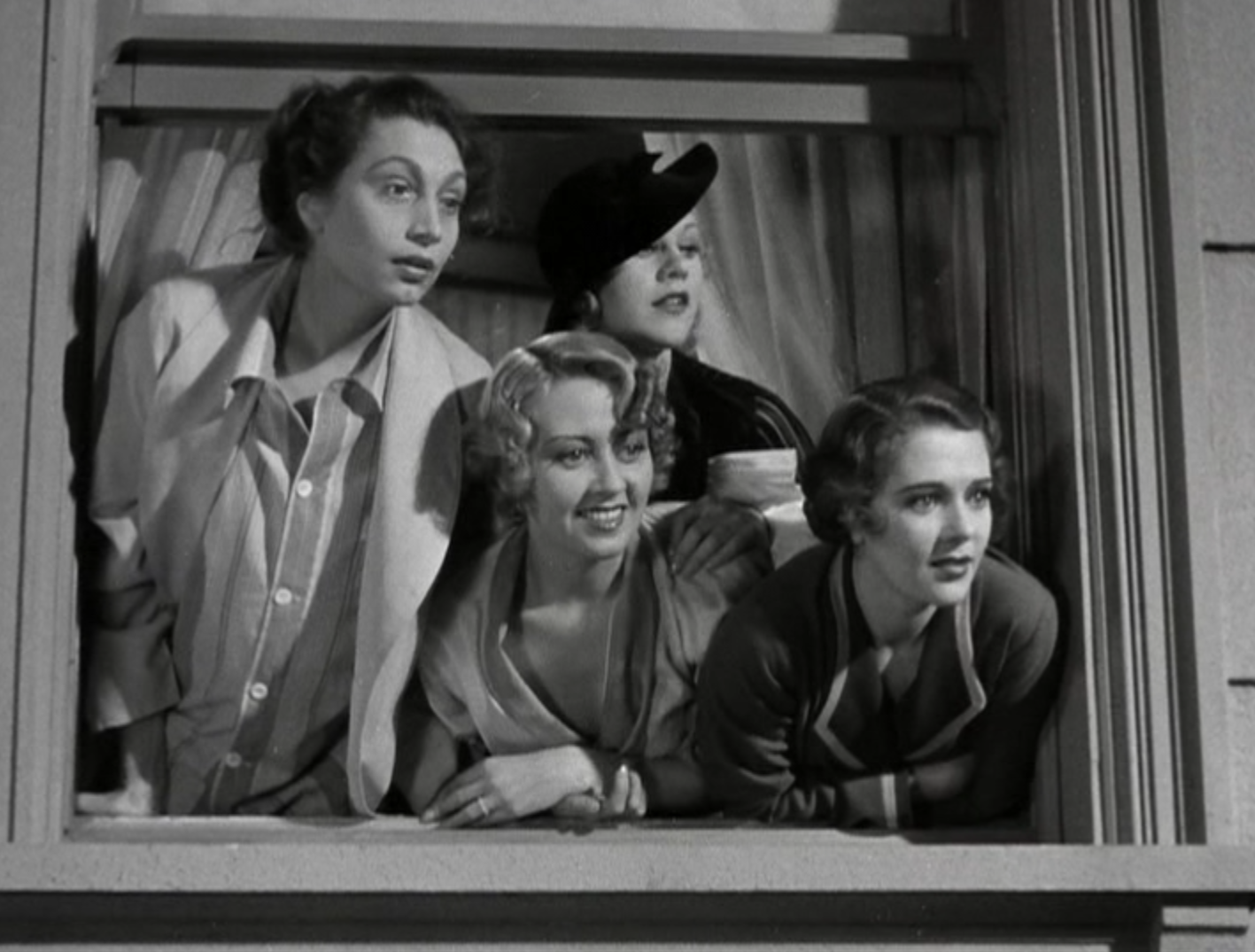
This 1933 musical came out in the middle of the Great Depression and found comedy in that sadness. “We’re in the Money,” which turns out to be a dress rehearsal for a musical, is rudely interrupted by debt collectors who shut down the show. The actresses gripe to each other about how this keeps happening to them with one show after another: “They close before they open!” In the next scene, we see that some of those women are roommates who can barely get out of bed in the morning to look for jobs, and they joke about starving. Aline MacMahon rationalizes stealing milk from a neighbor’s balcony: “The dairy company stole it from a cow!”

The “gold diggers” in this movie aren’t lazy; they need to work harder and use more ingenuity because they’re facing poverty.
The movie turns to drama in an arresting grand finale focused on veterans living in poverty: “Remember My Forgotten Man.”

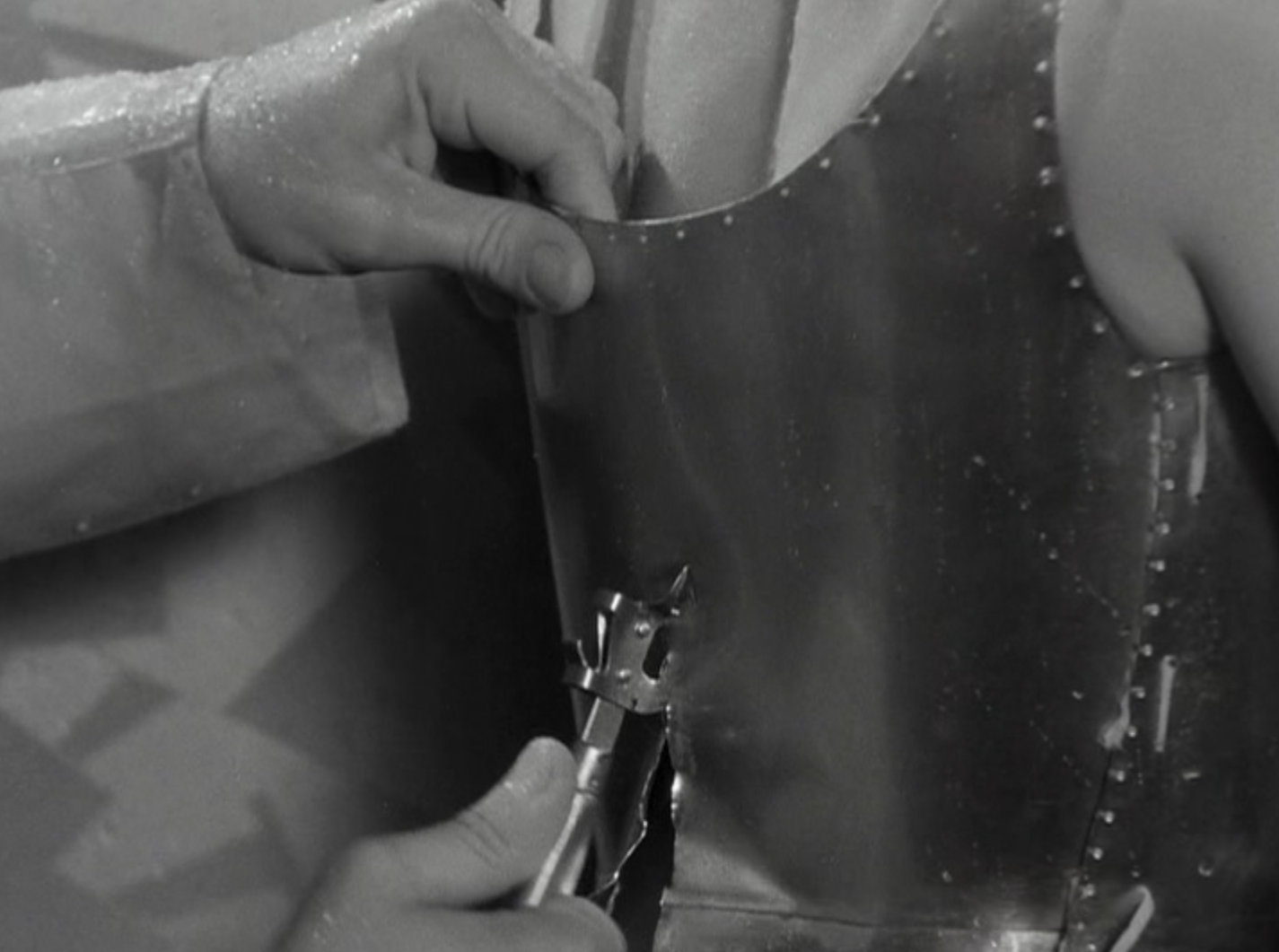
But before that, Gold Diggers of 1933 offers fleeting escapism in Busby Berkeley’s extravagant, larger-than-life choreography that turns people into objects. In addition to the women dressed in coins in “We’re in the Money,” Dick Powell uses a can opener to cut through Ruby Keeler’s metal armor in the movie’s most risqué number, “Pettin’ in the Park.”

Then in “The Shadow Waltz,” women are playing neon violins, and they all form a giant violin:
Busby Berkeley’s audacious style of transforming dancers into whatever he imagined would eventually inspire the indie band OK Go’s amazing one-take video for the 2014 song “I Won’t Let You Down,” which must be seen from the beginning to the end of this song for the full effect:
While Ginger Rogers is the biggest star, Joan Blondell (who later married Dick Powell in real life) is the standout, casually moving from her usual down-to-earth, wise-cracking attitude to something unexpectedly emotional and vulnerable. The scene near the end of the movie where she repeats the phrase “cheap and vulgar” — how the man she loves (Warren William) sees her — is one of the transcendently beautiful moments of Gold Diggers of 1933:
(Thanks to pre-code.com for some of the photos I used from their extensive post about this movie.)
You can stream Gold Diggers of 1933 on these sites.
3rd favorite of 1933:
The Story of Temple Drake(Miriam Hopkins, Jack La Rue. Directed by Stephen Roberts.)
A privileged socialite (Miriam Hopkins) finds her whole life shaken up when she gets in a car accident in the middle of nowhere, and seeks refuge in a house full of shady characters.
Even if you’re familiar with the anything-goes pre-Code era of 1929 to mid-1934, you might be shocked at some of the barriers broken by this movie (which was loosely adapted from a William Faulkner novel, Sanctuary). How many movies from the ’30s confront sexual assault as a serious problem, instead of laughing it off?
The Story of Temple Drake was viewed as so scandalous that it contributed to the end of the pre-Code era the next year. But the real scandal is that this movie was generally unavailable until the past decade or so.
Criterion has released The Story of Temple Drake on blu-ray (and DVD) with a beautifully crisp picture quality, and bonus features that delve into questions like why this movie was so important and whether it was a feminist movie or a sexist one. They point out the irony that we’re lucky the movie was completely banned, unlike other pre-Code movies which were allowed to be shown but with offending scenes cut from the film. And I mean “cut” literally, as in pieces of film were sliced out of the original negatives with razor blades, and some of those scenes are gone forever. In contrast, The Story of Temple Drake was considered wholly irredeemable, so no one bothered to cut it up in order to screen the rest of it. And now we can see it in its full and true form.

I don’t know anywhere to stream The Story of Temple Drake, but the blu-ray and DVD are part of the Barnes & Noble 50% off sale on all Criterion movies, which is going through the rest of November 2021. Amazon is also lowering its price. (If you miss the Barnes & Noble sale, it usually happens every July and November.)
4th favorite of 1933:
Design for Living(Miriam Hopkins, Gary Cooper, Frederic March, Edward Everett Horton. Directed by Ernst Lubitsch.)This is another pre-Code movie starring Miriam Hopkins that’s shockingly modern for 1933. At times it feels like a far-sighted precursor to Seinfeld with its frank discussions of dating and sex. And unlike most movies of the time, they actually use the word “sex.”
IMDb sums up the premise: “A woman cannot decide between two men who love her, and the trio agree to try living together in a platonic friendly relationship.”

Stream Design for Living on the Roku Channel (free with ads) or Redbox (also free with ads).
5th favorite of 1933:
(Claude Rains, William Harrigan, Gloria Stuart, Henry Travers. Directed by James Whale.)
Claude Rains had his breakthrough role in this movie, which used eerie special effects that are still effective today.
Stream The Invisible Man on these sites.
Click here for the full list of my favorite movie(s) of each year from 1920 to 2020.
Comments
Post a Comment
Thanks for submitting a comment on my movie blog! 🎬 Your comment won’t show up here right away. 😐 To make sure your comment gets seen, I recommend sharing this post on social media and saying whatever you feel like! 🤓